
Harmony at Your Doorstep: The Science and Soul of Wind Chimes
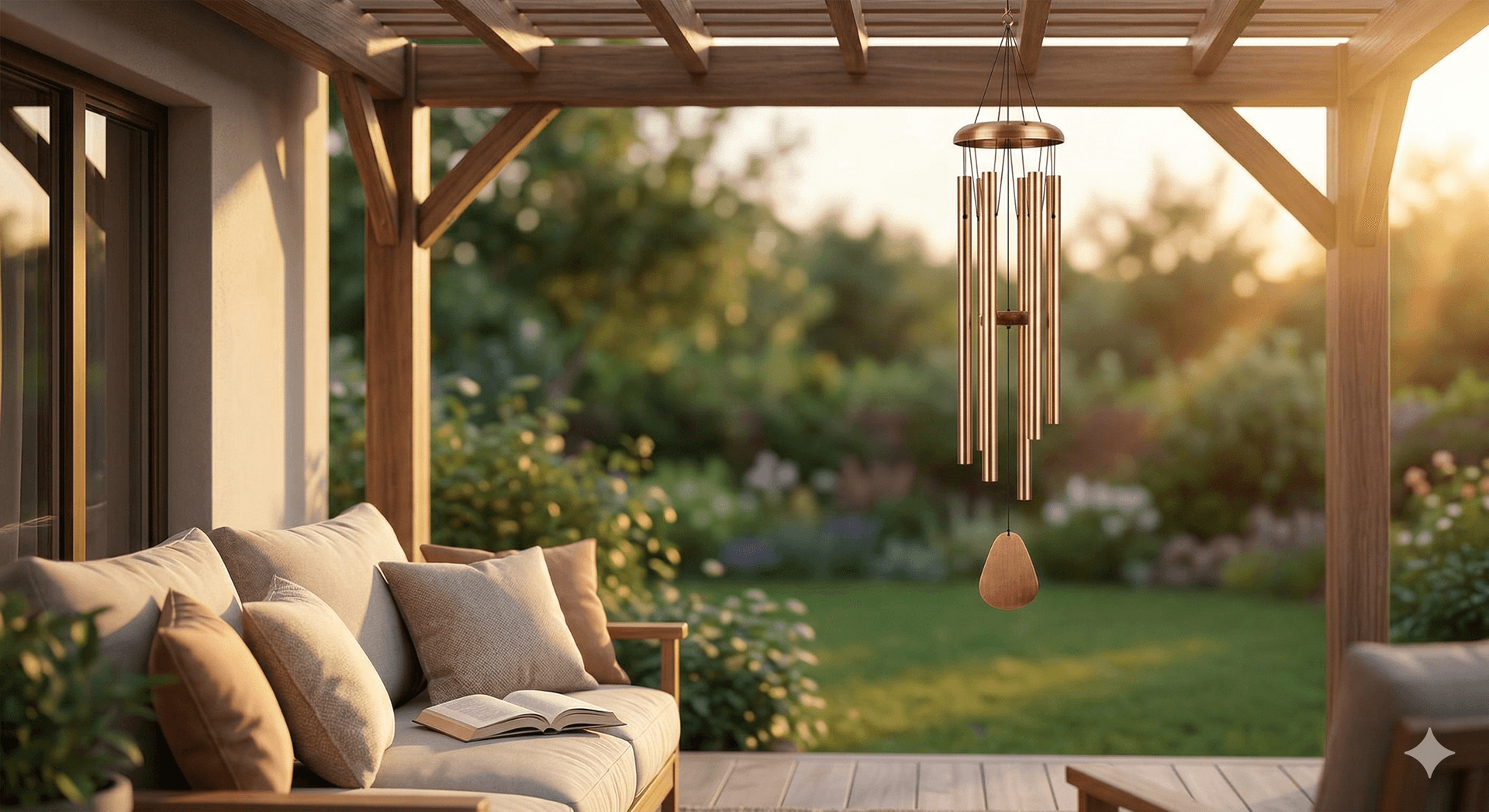
In a world that rarely hits the "mute" button, our homes are supposed to be our sanctuaries. Yet, between the hum of the refrigerator and the distant drone of traffic, true silence is hard to find. This is where sound therapy—and the humble wind chime—can transform your living space from a high-traffic zone into a meditative retreat.
What is Sound Therapy?
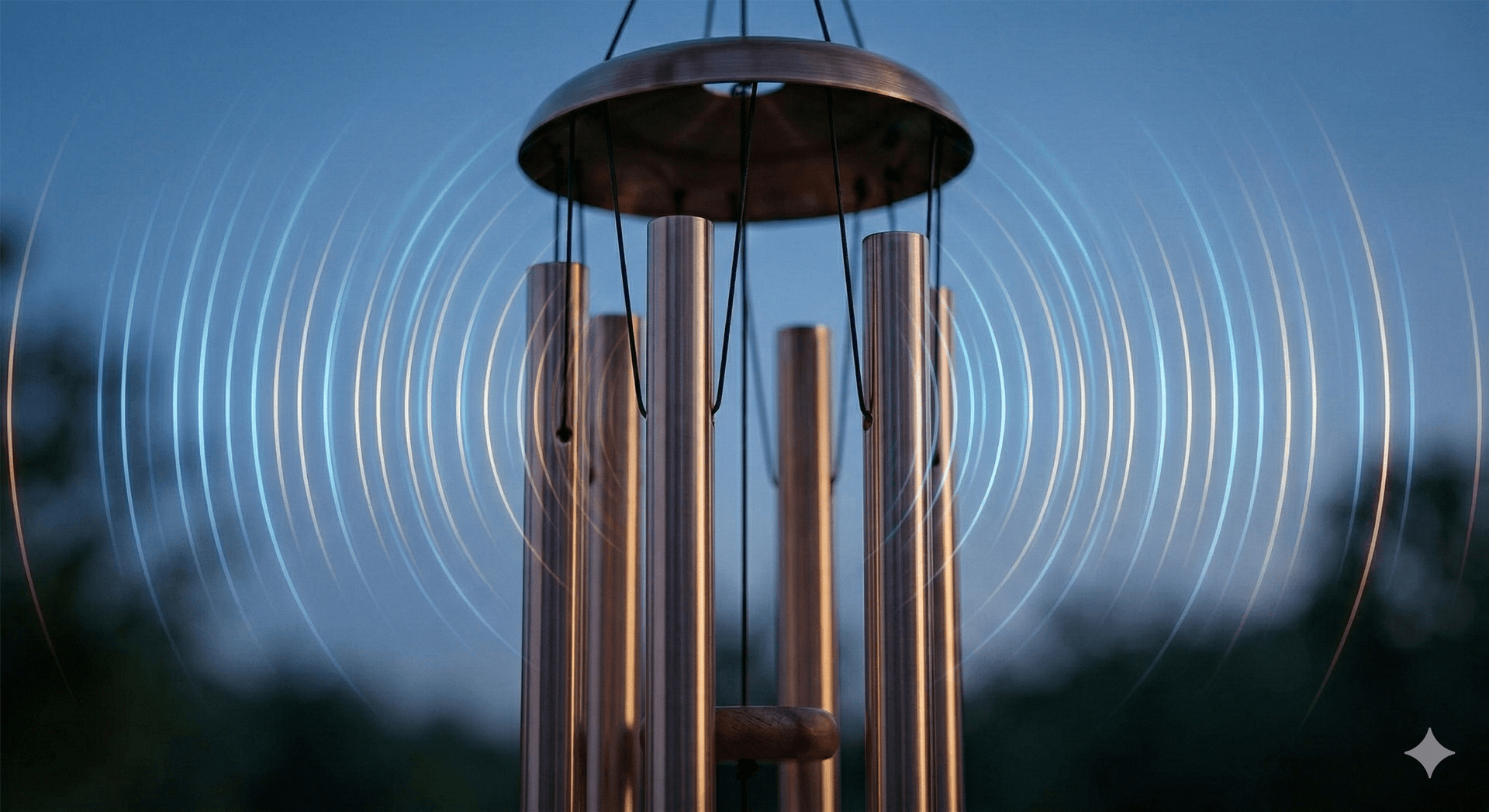
Sound therapy is an ancient practice based on the premise that everything in the universe is in a state of vibration. When our bodies or minds are out of sync, specific sound frequencies can help "re-tune" us. It’s not just "woo-woo" science; it’s about entrainment—the process where our brainwaves begin to mimic the steady, rhythmic frequencies of our environment.
Alpha Waves: Associated with "relaxed focus" and light meditation.
Theta Waves: Linked to deep relaxation and REM sleep.
By introducing harmonic sounds, we can nudge our nervous system away from "fight or flight" and toward "rest and digest."
The Role of the Wind Chime
While many see wind chimes as mere porch decor, they are actually passive sound healing instruments. They act as a bridge between the chaotic energy of the outdoors and the peace of your indoors.
- Breaking the "Stagnant" Energy
In many architectural traditions, like Feng Shui, sound is used to clear stagnant energy. A wind chime’s gentle movement and unpredictable ringing prevent energy from "pooling" in corners, keeping the atmosphere feeling fresh and fluid. - Masking White Noise
The high-frequency tones of metal or glass chimes are excellent at masking low-frequency "city noise." Instead of focusing on a barking dog or a car engine, your brain latches onto the melodic, crystalline notes of the chime, which are far less taxing on the auditory cortex. - The Power of Randomness
Unlike a song with a repetitive beat, wind chimes are played by the elements. This aleatory (random) music ensures the brain doesn’t get bored or habituated to the sound. It creates a "soft fascination" that keeps you present in the moment.
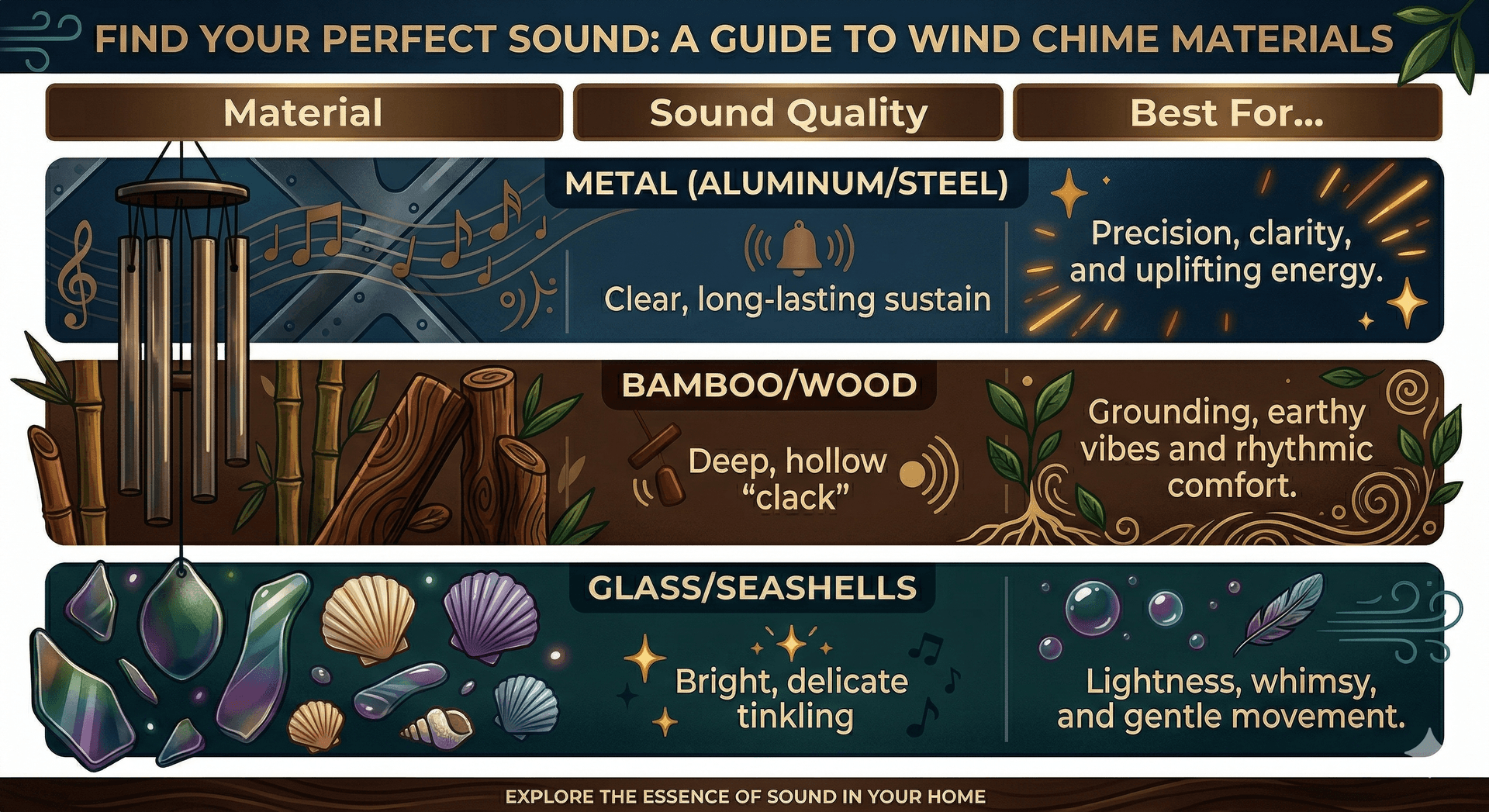
Choosing Your Chime: Materials Matter
Not all chimes are created equal. The material dictates the emotional frequency of your home:
The Secret of Tuning
If you’re serious about sound therapy, look for musically tuned chimes. These are hand-tuned to specific scales (like the Pentatonic or Aeolian scales). Because these scales lack "dissonant" notes, every chime strike—no matter how random—will sound perfectly harmonious.
Where to Hang Your Chime for Maximum Calm
To create a cohesive "soundscape," placement is everything:
- Near the Entryway: To cleanse your energy as you transition from the outside world into your home.
- In a Gentle Draft: Near a window or on a porch where the breeze is steady but not violent. You want a whisper, not a clamor.
- The Garden "Zen" Corner: Pair your chimes with a bird feeder or a water feature to create a multi-sensory relaxation zone.

Final Thoughts
A wind chime is more than a garden ornament; it’s a low-maintenance therapist. By inviting the wind to play a song at your doorstep, you aren't just decorating—you're actively curating the vibration of your life. Next time the wind picks up, take a breath, listen to the chime, and let the frequency do the heavy lifting for your mental health.